
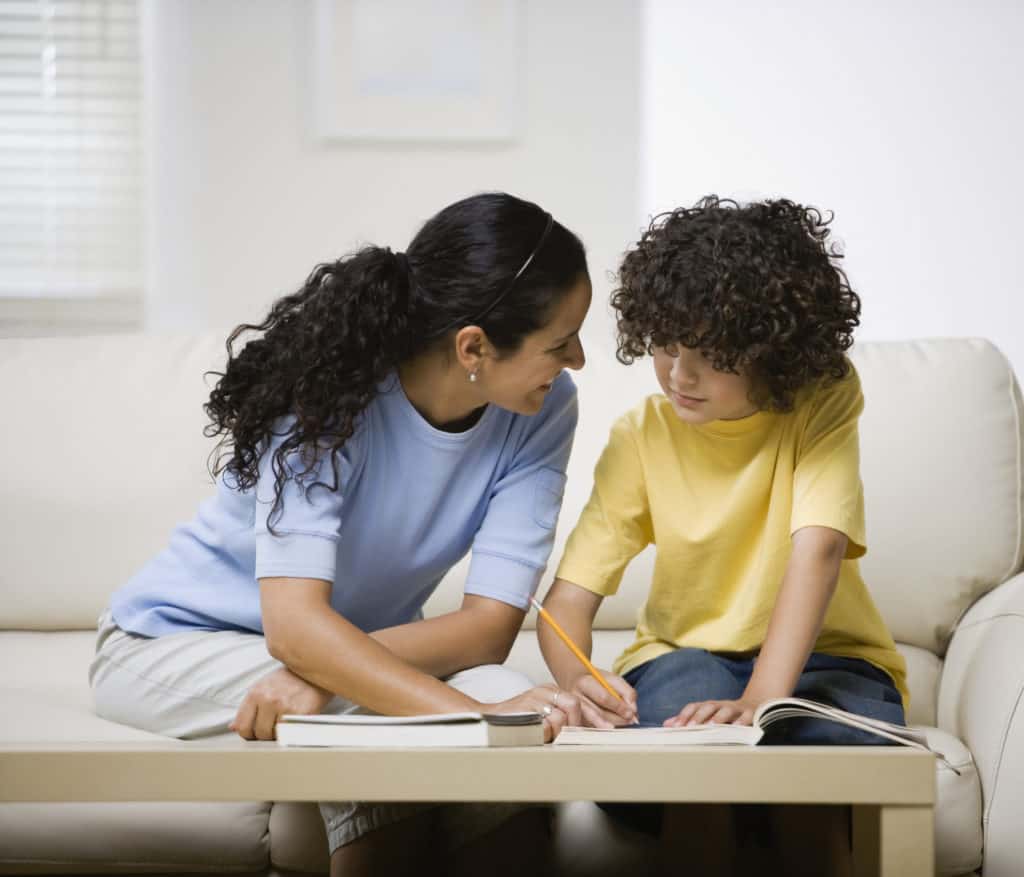
When you adopt a child, you are giving him/her the wonderful gift of a home. However, with all of the love that you have to offer also comes the responsibility of being willing to discuss his birth parents at some point in his life. For many parents, this can be a challenging task; it can be even harder for the child.
Most adoptive parents understand that their child not only needs and deserves knowledge of how their family was created through adoption, but also that this knowledge must be provided in a way that will give the child the pride and self-respect every person needs as a foundation in life.
Years ago, parents thought that they should wait until the child was old enough to talk about the adoption. We now know that this way can do more harm than good as many adopted children are finding out about their adoption from other people and feeling betrayed.
Adopted children often have many questions about their heritage and they should be answered by their adoptive parents when they are asked. I have worked with foster and adopted children and families for more 15 years, and every child I have counseled has had questions about their biological family starting at a young age. Some younger children are often unsure whether they should bring up their birth parents to their adoptive parents, in fear that it will hurt their feelings or that it will cause anger and they will be abandoned once again. In some cases their fears are real, while in others they are not.
Prior to adolescence, children are extremely curious about their adoption stories. Although they question the circumstances that led to their adoption, most of them seem to accept the answers calmly – See more at:
Some of the questions adopted children ask are, “Did my mom and dad love me? Did my mom and dad love each other? Why did they put me up for adoption?” These are all valid questions which need to be answered to ensure that the child feels secure.
Adoptive parents have said to me, “I know that I have to talk to my daughter or son about the adoption, but where do I begin?” I think it is best to begin when the child is very young and is able to cognitively understand language — usually at around 1 ½ to 2 years of age. You want to be able to tell your child about the adoption often. Also, if you are married or in a relationship, you want to make sure that both parents agree on the same story. This will make the experience less complicated and stressful for your child. I always encourage parents to practice what they are going to say to the child before talking. It builds parents’ confidence and prepares them for questions. And be prepared — they will have lots of questions!
Here are a few more tips for talking to a child about their adoption.
1. Always be willing to talk about the adoption with your children. The more open you are about it, the more comfortable the child will be.
2. Keep the conversation age-appropriate. When a child is younger, use a story telling technique (Fisher, 2000) and keep the language simple. As the child ages and becomes more mature, more sophisticated language can be used.
3. Be honest but don’t scare the child. If you don’t know something, then say, “I don’t know.” If the child was a product of rape for instance, “You don’t want to start out by saying your mommy and daddy loved each other very much,” says Lois Melina, author of Making Sense of Adoption and Raising Adopted Children. “You can say something that would imply that their parents didn’t know each other very well.”
4. Help your child learn how to express their emotions about being adopted. This can be done not only through talking but through drawing or making a life book.
Addressing the adopted child’s past is the key to helping them move towards a bright future.
– By Dr. Sue, who is a clinical psychologist and professor of psychology at Temple University and an expert in parenting, foster care and child abuse. This article was originally posted on montgomerynews.com
