由收養嘅情況分開
This is the first part of a special three-part series on search and reunion. It follows the journey of Paulette and includes historical and helpful information about the search for biological family.
Paulette always knew her biological family was out there. She just needed to find them.
People search for unknown family members for many reasons—maybe to fill in gaps in an ancestral family tree, or to learn more about their backgrounds. But for individuals who are connected to adoption—those searching for and hoping to reunite with birth parents or a person who was placed for adoption as an infant, the process can be long, arduous, and fraught with intense emotion. With technological advances and a changing culture around adoption, the process has become easier for some—but not for all.
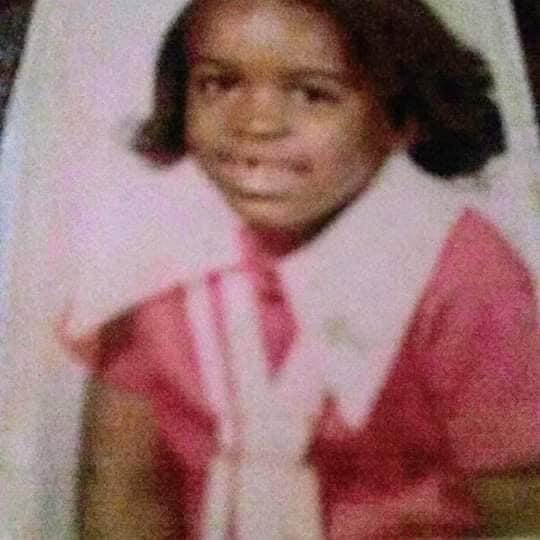
Paulette’s journey with Spence-Chapin began decades ago, when her birth mother surrendered her as a newborn to her newly adoptive family. It wasn’t until age seventeen that Paulette even knew she was adopted, when a family member blurted it out during an argument. Following that single, heated moment, her family never spoke of it again—not even her adoptive mother, whom she adored. After that unexpected bombshell, she was plagued with questions: ‘Who am I?’ ‘What happened to make my birth mother give me up?’ And, perhaps most urgently, ‘Where is my family now?’
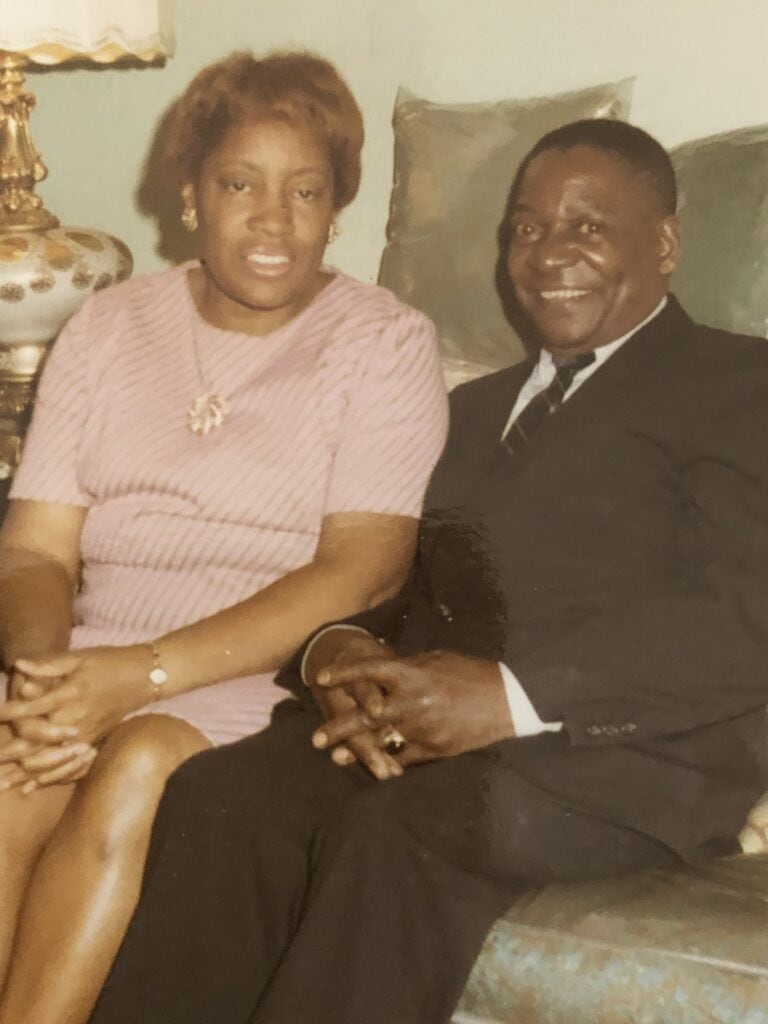
Prior to the 21街 century, the majority of adoptions were closed, meaning the records of the birth parents were legally sealed forever and the identities of the birth parents were unknown to the adoptee. Starting in the 1990s, however, the concept of open adoptions began gaining popularity. Sociologists and psychologists were learning about the benefits of growing up in an adoptive family while maintaining communication with birth families. Through a lessening of social stigma and the advancement of women’s rights, more and more birth parents have been given the option and have chosen to stay in contact with the child they place for adoption, whether through photos, letters, and emails, or through in-person meetings and regular phone calls. In this more open model, adoptive parents can learn about family health histories and receive updated medical information for their children, biological parents can watch their children grow and flourish, and adoptees are able to receive love and support from all sides of their families as they grow up and naturally begin to question where parts of their identity come from.
For those connected to domestic adoptions prior to the 1980s, like Paulette, the concept of open adoption was largely unheard of. Adoptive parents are left without answers when their children ask, “Who do I come from? Why was I adopted?” Adoptees are left writing “unknown” on family health history forms. Biological parents are left in the dark about what happened to the children for whom they planned an adoption. While some do not wish for these questions to be answered, others are curious, and many adoptees like Paulette find themselves passionately driven to learn more about themselves and their families.
Paulette’s adoption was a closed adoption where, as Paulette described it, “My grandmother never mentioned to the family that my mother gave birth to me and my brother. That was a secret in the family. I don’t know what she said to my mom, but my mom could never mention it.”
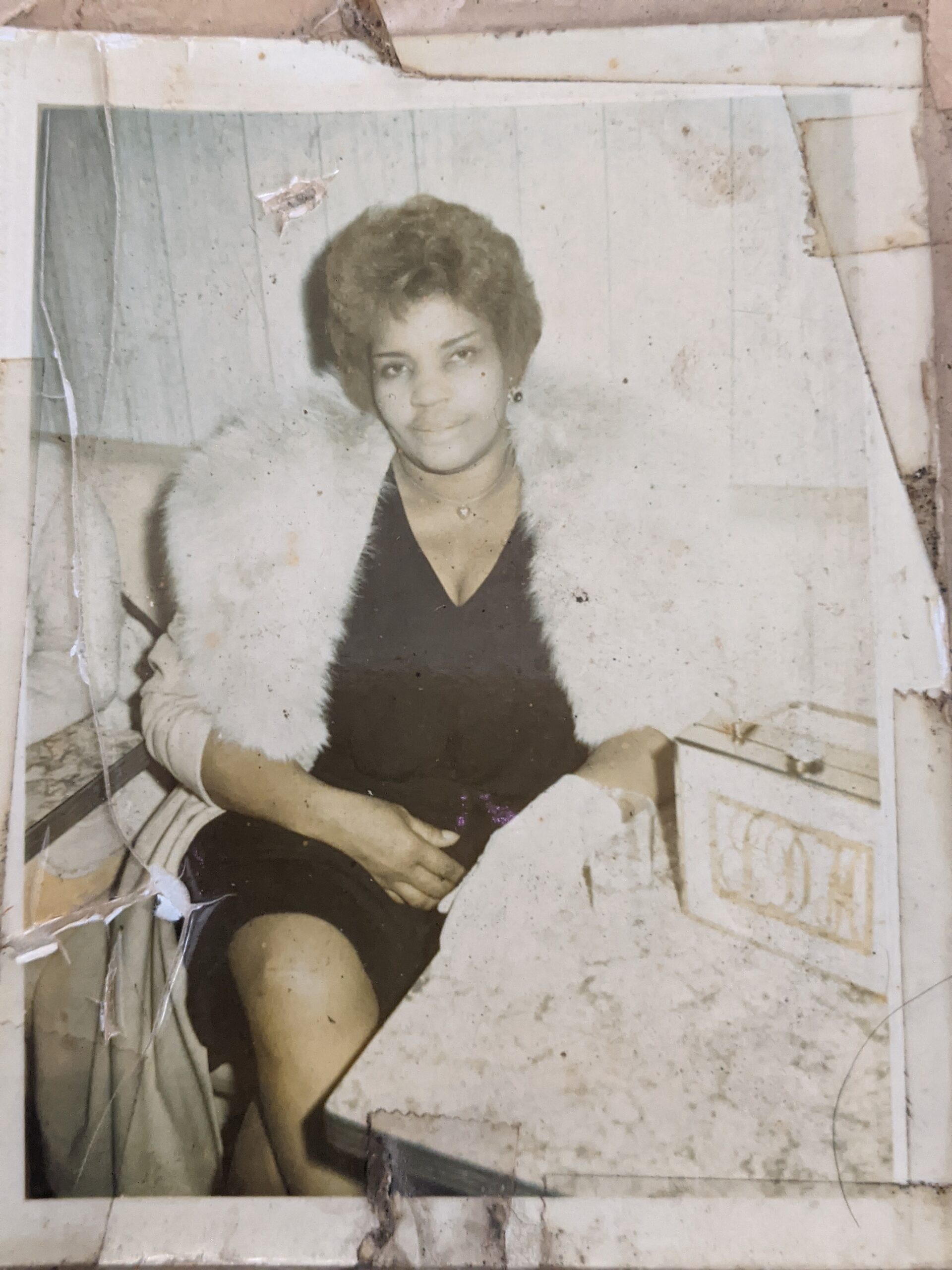
The unfortunate reality is that any search process for biological family members is often met with social stigma. Though this is more common for those connected to adoptions in the 1980s or earlier, there can be negative repercussions for anyone engaging in the search process. Birth parents are told that since they made the decision to relinquish parental rights, they no longer have the right to ask about their children. For adoptees, many have been raised to believe that their adoptive parents should be ‘enough’, and an investigation into their birth family would be a betrayal of their love—that curiosity about one’s biological background is off limits. Paulette’s respect and love for her adoptive mother prevented her from searching for biological family members for most of her life, until more than a decade after her mother’s death.
Both birth families and adoptees often live in a tentative limbo where the search process is avoided simply out of consideration for the other party. Neither wants to disrupt the other person’s life. Perhaps the strain of not knowing is preferable to the possibility of a rejection— with a large portion of fear of the unknown. After all, you never know what another person might be thinking or feeling, and societally there is a (generally false) assumption that most people do not want to be found. Paulette herself waited years after her adoptive mother’s death, struggling with the yearning to understand her biological roots while mourning a mother that she deeply loved and respected.
Adoption professionals understand that curiosity is natural. When an adoptee is exploring their identity development, it is a welcome topic. Despite these evolving modern ideas in professional circles, complicated emotions, family pressures, and societal ideals often stand in the way of reunification. These realities have become even more significant as practical hurdles lessen over time.
Paulette’s desire to learn more about her biological family led her on a long and emotional search for her birth mother more than twenty years after her birth mother had surrendered her to Spence-Chapin in a closed adoption. After decades of searching, she met her entire extended family over Zoom during the pandemic, and they were equally shocked and thrilled.
“I had all these family members. And they were like, ‘Oh my God. We never knew you existed.’”
Come back for parts two 同 three to hear about how Paulette found her family after years of searching, and the obstacles she persevered through to make that happen!
Paulette 想用自己嘅說話去多謝喺佢嘅搜尋同發現過程中一直喺佢身邊嘅人。 「我想多謝我嘅家人同親密朋友,喺我搵緊我嘅親生家庭嗰陣,佢哋喺呢個旅程中一直支持我。我嘅小朋友薩蒂拉、莫里斯、安東尼、大衛同克里斯塔爾 · 列威斯。我靚仔靚女嘅孫子阿德里安、阿馬里、賈拉、小大衛同耶利米2021 年 10 月,我同小朋友張開手臂。主真係祝福我有個美好嘅家庭。“
如果你係收養者、生父母或者養父母,而呢個同你有共鳴, Spence-Chapin 喺度幫你。請睇下面,瞭解更多我哋可以提供嘅支援服務,同埋喺你嘅收養旅程中可以為你提供嘅資源。.
支援同下一步
情緒健康
Spence-Chapin 嘅有收養能力嘅社工可以喺唔同嘅主題上提供情緒支持。呢個包括但唔限於應付搜尋同團聚過程、背景嘅未知,或者導航新發現(同新重新燃起)嘅關係嘅支持。你可以透過電話、視像通訊或者親身去我哋曼哈頓辦事處參加會議。歡迎出生父母參加一個由同儕主導嘅免費出生父母支援小組,呢個小組每個月都會喺 Spence-Chapin 嘅曼哈頓辦事處舉行。如果想了解更多有關呢啲服務嘅資訊,或者預約,請致電聯絡我哋嘅治療同諮詢團隊: 646-539-2167, ,或者透過電郵去 [email protected].
記錄服務
除咗斯彭斯 - 查賓自己嘅收養記錄之外,斯賓斯 - 查賓亦都保留咗已經停止運作嘅索菲亞基金會同路易斯 · 懷斯服務嘅收養記錄(包括前自由猶太教堂兒童收養委員會嘅記錄)。斯彭斯 - 查平亦都為已經停業嘅塔爾博特 · 佩金斯嘅代理公司保留1960年前嘅收養記錄。如果要向 * 斯彭斯 - 查平提出資料要求,請喺以下網址搵到相關資料: www
為咗路易斯 · 懷斯 寄養 記錄,1959年之後嘅塔爾博特 · 佩金斯記錄,資料要求應該直接去紐約市兒童服務管理局: www1.nyc.gov/site/acs/about/contact-acs.page
* 我哋可以喺收養者嘅收養記錄入面提供畀收養者嘅資料, Spence-Chapin 受法律約束。紐約州法律只允許釋放 非識別資料(如有),因為係喺收養人出世嗰陣同埋收養人投降嗰陣報告嘅,而且符合以下具體類別:(1)出生父母嘅年齡(以年計); (二)親生父母嘅遺產,包括國籍、族群同種族; (三)教育程度,係指出生父母完成學校嘅年數; (四)生父母嘅一般身體外貌; (5) 出生父母嘅宗教; (6) 出生父母嘅職業; (7) 出生父母嘅健康史; (八)生父母嘅才華、嗜好同特殊興趣; (九)同收養嘅性質同原因有關嘅事實同情況; (10) 參與呢類收養嘅授權機構嘅名稱; (11) 被收養人有任何已知嘅親生兄弟姊妹; (12) 收養人收養時,任何已知嘅親生兄弟姊妹嘅人數、性別同年齡。 (公共衛生法4138-c )。.
^ 名已經改咗
紐約州收養資訊登記處
呢個登記服務係透過紐約州衛生署運作,而且係畀喺紐約州出世或者收養(喺國內)嘅收養者使用;國際收養者冇資格享用呢個服務。登記處係可以促進交換嘅 識別資料, ,包括合資格嘅親生父母同兄弟姊妹嘅姓名同聯絡資料。為咗交換身份資料,合資格嘅親生父母或兄弟姊妹亦都要喺登記處登記,而佢哋同被收養者嘅關係亦都要透過重要記錄驗證。透過登記處,出生父母亦可以匿名留低健康資料,而呢啲資料會喺被收養者登記之後即刻提供畀收養者。你可以喺以下網站睇到更多有關登記處嘅資料: www . health . ny . gov/vital_records/adoption.htm
新澤西州生命統計
喺新澤西州出世同/或收養嘅收養者可以透過新澤西州生命統計局申請佢哋嘅原始出生證明。當申請新澤西州嘅出生證明原件嗰陣,申請人亦都可能會收到家族史資料同出生父母嘅聯絡資料,, 如果 呢啲資料係由出生父母提供畀新澤西州嘅生命統計局。你可以喺以下連結睇到更多有關呢啲新澤西服務嘅資訊: www . state . nj . us / 健康 / 重要 / 收養 / 重要記錄法律變更常見問題
原始出生證明
由2020年1月15日起,喺紐約州出世同/或收養(喺國內)嘅收養者有資格申請佢哋嘅原始(收養前)出生證明。已故收養者嘅直接死者亦都有資格申請。原始出生證明只可以透過政府重要記錄辦公室攞到,而唔係由收養機構攞到。一般嚟講,原始出生證明包含至少一個出生父母嘅識別資料。.
適合喺五個市區之一出世嘅人 紐約市嘅, ,出生證明原件可透過紐約市衛生及心理衛生署取得: www1. nyc . gov / site / doh / services / 出生證書 . page
對於喺紐約州其他地方出世嘅人嚟講e ,出生證明原件可以透過紐約州衛生署攞到:
www. 健康 . ny . 政府/生命記錄/ 獲得出生證書 . htm
對於喺紐約收養但係喺另一個州出世嘅人, ,出生證明原件可能冇得用。不過,紐約會嘗試提供原始出生記錄上嘅資料。喺呢個情況下嘅客戶應該向紐約州衛生署申請佢哋嘅原始出生記錄資料: www . www. 健康 . ny . 政府/生命記錄/ 獲得出生證書 . htm
對於喺另一個州出世嘅人嚟講, ,原始嘅出生證明可能會喺出生州攞到,視乎嗰個州嘅法律而定。請瀏覽收養者權利法組織嘅網站,睇下各州嘅原始出生證明法清單:
www. 領養權利法 . com / 聯合州 obc