喺現代家庭中心,我哋嘅使命係提供一個可以同你同你嘅家人聯繫同理解嘅社群。同埋有咩好方法可以比介紹我哋畀你知呢?
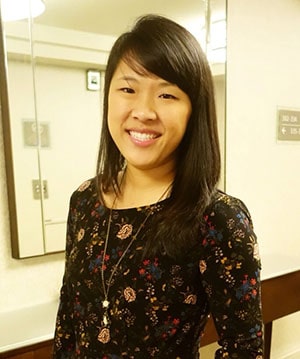
This month we talked to Dana Stallard, LMSW, Community Programming Coordinator, about her work.
- 你點樣對領養有興趣?
I’m adopted, so it definitely was a personal thing. I had never thought about working in adoption, but I saw a posting for a position at Spence-Chapin. The agency has a really good reputation and when I had an interview I really liked the people who worked here, so I thought it would be a good fit. There are positive things about working in adoption while being an adoptee, and things that make it harder at times, as well. I think it helps to share an experience with the community that you work with, and really have that empathy and understanding as to what support services you can provide. But on the flip side, I sort of expect more of myself in working with the community, and sometimes put more responsibility on myself to be able to do more than what I’m actually able to do in my position. They may not feel I am being helpful or that I’m doing all that I can do to support them, and then I feel that extra pressure to be able to make a positive influence or difference. - What’s a typical workday?
The majority of my work is personal adoption history, so working with clients who want background information, and programming, so developing adoptee services programs, workshops, events, groups, or coordinating our mentorship program. And then there are some more miscellaneous tasks, but those are where I spend most of my time, either with preparing information for clients or actually developing and consulting programs. - 你份工最具挑戰性嘅部分係咩?
I definitely think that my work with adoptees wanting access to their birth family information is the most challenging part of the job. There are a lot of legal constraints to the work that I do, and I’m not able to share any identifying information with domestic adoptees. So if they come to the agency wanting to know more about their background or their birth family, I can only share really general information with them. I can share information that could be really helpful. I could find out about the education or health or nationality of their birth families, but adoptees ultimately want to search for their birth parents, and I can’t help them with that. Because of the legal restrictions, it feels like we’re not able to help people as much as they would want. It’s kind of an ongoing moral dilemma, like “how can we possibly help people with their ultimate goals which we’re not able to provide for them?” - 你份工最有回報嘅部分係咩?
There are a lot of really good things about working here, like being able to create a sense of belonging and community for adoptees. The 導師計劃 is my most favorite part about my position. The most rewarding part of the program for me is seeing the kids connect with one another and with the adults, and having a space where everyone in the room is adopted and has shared experiences. With kids or with adults it seems to be really memorable and has a really big impact on me when I leave an event and just want to call someone and say, “This event is going so well! The families are connecting and the kids are playing with each other.” Or just meeting an adult who has never had an opportunity to really be with other adoptees before. You’d be surprised at how many people who are forty, fifty, sixty years old, or even older, say they’ve never met another adoptee before, or they’ve never talked to someone who is adopted, or heard an adoption story. So it’s really meaningful for them to able to find that here. - 用三個字形容你份工。.
Community, history, and identity. - How has working at MFC changed you, in any way?
It’s definitely helped me to grow and to learn more about the birth parent community which I hadn’t had any experience with. Working at Spence-Chapin and MFC has helped me to grow professionally and as a social worker. I’ve only been out of school for five years so I’m still very new in the world of professional social work, so I think it’s been really good to have colleagues that are so professional, so intelligent, and people that have worked here for so many years and are so dedicated to our mission. It’s been really good to see that model and be around so many committed social workers.
You can meet Dana at our upcoming event, Korean Cultural Connections! We’ll be joined by the Donghwa Cultural Foundation to honor your child’s Korean heritage through food, language, and a traditional tea ceremony.
